
A hands-on options curriculum covering real trading concepts. Read the lessons, work through examples, and test your knowledge.
OVERALL ACADEMY PROGRESS
Free Lesson
Every lesson is free to read. Subscribe to add Signal Desk, progress tracking, PDF downloads and the lesson tutor.
Lesson 5: 17.5: Dynamic Rebalancing, Tax-Loss Harvesting, & Friction Management
Implement dynamic rebalancing triggers, tax-loss harvesting algorithms, and transaction cost drag mitigation.
1. Systematic Portfolio Rebalancing Strategies
Unmanaged portfolios drift over time, accumulating concentration risk in outperforming assets.
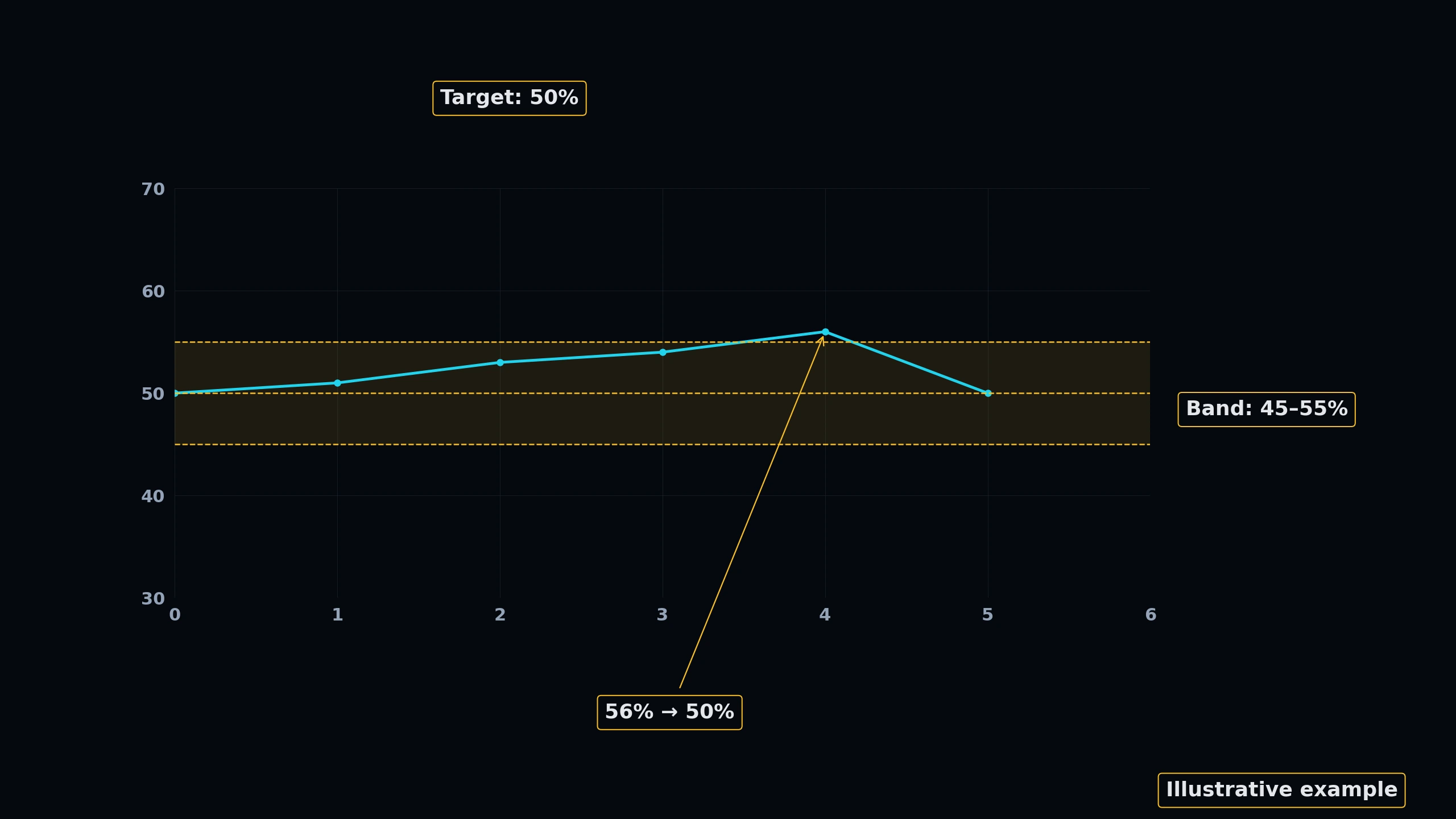
Rebalancing strategies include Periodic (calendar-based), Tolerance Bands (rebalance when weight drifts ±5% from target), and Volatility-Adjusted Bands.
★ Tradeoff Optimization: Balancing rebalancing benefits (risk control) against transaction fees, market impact, and capital gains tax drag.
2. Automated Tax-Loss Harvesting (TLH)
Algorithmic Tax-Loss Harvesting systematically sells positions trading at a loss to offset realized capital gains.
To avoid IRS Wash-Sale Rules (which disallow tax deductions if a substantially identical asset is bought within 30 days), TLH algorithms temporarily substitute correlated proxy ETFs.
 Click to enlarge
IV Crush Scenario Visualizer
Implied Volatility (IV) Crush is the primary account-killer for option buyers after earnings announcements. Play with the controls below to see how option premium collapses depending on Vega.
Scenario Modeling
KNOWLEDGE RECONNAISSANCE
What constraint must an automated Tax-Loss Harvesting algorithm navigate in the US tax code?
More lessons in this module
- 17.0: Modern Portfolio Theory (MPT) & Efficient Frontier Optimization
- 17.1: Capital Asset Pricing Model (CAPM), Beta, & Security Market Line
- 17.2: Multi-Factor Risk Models (Fama-French, Carhart, & Barra Factors)
- 17.3: Black-Litterman Model & Bayesian Asset Allocation
- 17.4: Risk Parity & Equal Risk Contribution (ERC) Portfolios
- 17.6: Alternative Beta, Risk Premia, & Smart Beta Indexing
- 17.7: Tail Risk Hedging & Downside Protection Frameworks
- 17.8: Institutional Asset-Liability Management (ALM) & Endowment Models
Signal Desk is where you practice this on real stocks: real option chains (about 15 minutes delayed), the Trade Check and a paper-trading account that risks no real money. Join to add it, your progress tracking and PDF downloads.